A Comprehensive Guide to Allen-Bradley Drives

Freelance copywriter and editor

What Are Allen-Bradley Drives?
Key Benefits of Allen-Bradley Drives
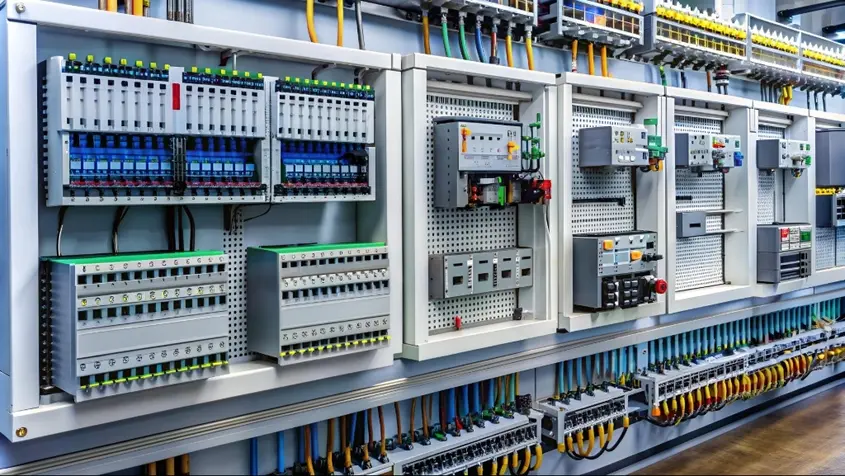
- Energy efficiency: Especially for fan and pump applications, variable speed control reduces energy consumption.
- Reliability: Made to operate in harsh industrial conditions, these drives drive motors reliably under differing loads and temperature applications.
- Simple system integration: They offer centralized monitoring and control through easy interfacing with Allen-Bradley PLCs, HMIs and industrial networks.
- Flexibility: Allen-Bradley drives meet numerous industrial requirements, ranging from high-power applications to compact designs with small motors.
- Enhanced safety: Integrated safety features, such as safe torque off (STO) and overload protection, minimize downtime and enhance workplace safety.
Types of Allen-Bradley Drives
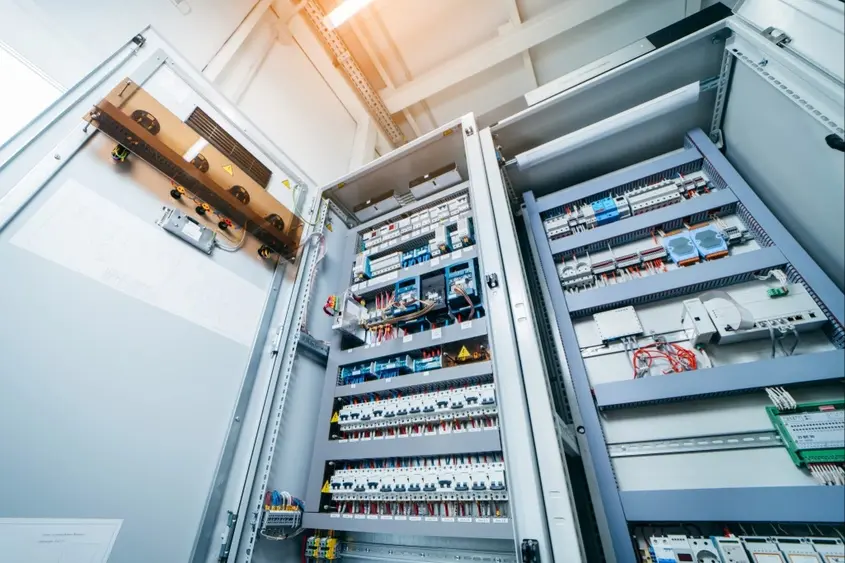
Allen-Bradley Servo Drives
Allen-Bradley Variable Frequency Drives (VFDs)
Allen-Bradley Frequency Drives
Allen-Bradley PowerFlex Drives
Allen-Bradley Kinetix Drives
How to Choose the Right Allen-Bradley Drive

Key Selection Factors
- Motor size and type: drives must match the power rating, motor voltage and type (AC induction, servo, or permanent magnet).
- Load type: constant or variable torque and intermittent load applications require special drive configurations.
- Communication and integration: consider the network protocols (EtherNet/IP, ControlNet, DeviceNet) that are supported by your control system.
- Environmental conditions: humidity, temperature, dust and vibration affect drive life and must be taken into account in enclosure and mounting considerations.
- Safety and compliance: ensure that the drive meets applicable safety standards and includes features such as STO or safe limited speed.
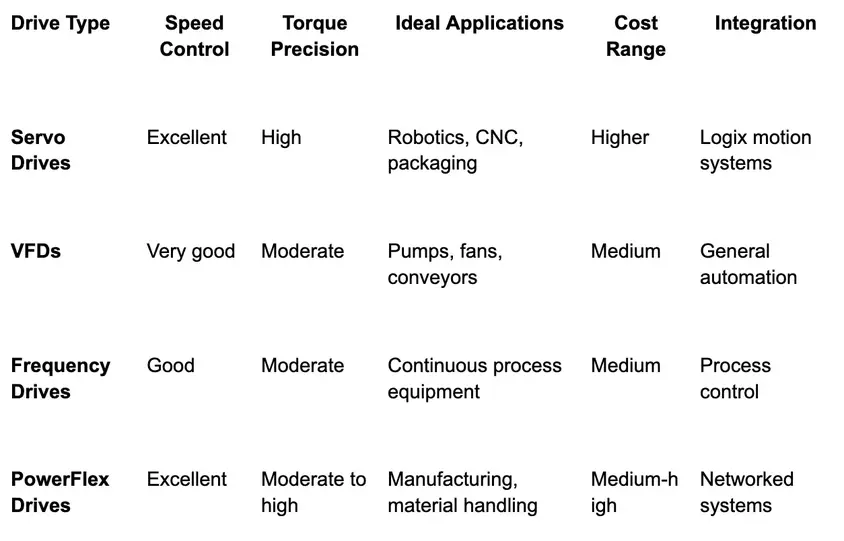
Comparing Drive Types
Installation and Maintenance Tips
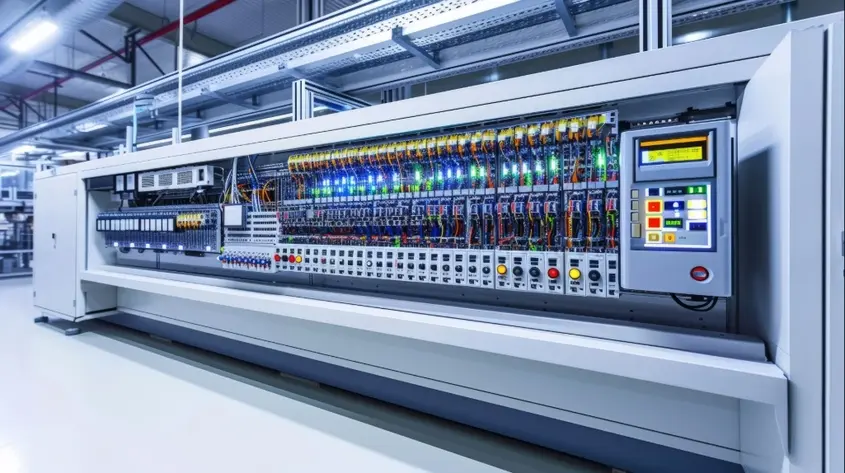
Installation Guidelines
- Mounting: Install drives in well-ventilated enclosures such as AB boxes and enclosures for heat balance. Leave space for air circulation and cooling.
- Wiring: Follow manufacturer-recommended wire gauge and grounding techniques. Never have power and control cables bundled together to reduce interference.
- Configuration: Use Rockwell's software tools to set up motor parameters, acceleration rates and protection thresholds before operating.
- Safety: De-energize circuits first before installing. Follow lockout-tagout (LOTO) procedures and properly ground to prevent electrical accidents.
Routine Maintenance and Troubleshooting
- Visual inspection: Check for dust buildup, loose connections or heat coloration.
- Firmware updates: Update drives with official Rockwell Automation tools for improved functionality.
- Monitoring: Use diagnostic software to track temperature, voltage and fault history.
- Error handling: Standard fault codes are overload, overvoltage and communication errors with controllers. Fault log checking helps quickly detect root causes.
- Replacement parts: Always use original AB electronic parts and devices to maintain system integrity and warranty coverage.
Applications of Allen-Bradley Drives
Manufacturing and Industrial Automation
Robotics and Motion Control
Servo and Kinetix drives play a vital role in modern robotic applications. They power robotic arms, pick-and-place machines and CNC devices with millisecond accuracy. Motion control and communications integration offers coordinated actions among several devices with increased throughput and reduced cycle times.
Packaging, welding, and electronic assembly markets heavily benefit from Allen-Bradley servo drives' and Allen-Bradley Kinetix drives' precise motion capabilities.
Energy Savings and Process Optimization
For instance, slowing a fan or pump during low-demand periods can save energy costs by up to 50%. Drives also stabilize process conditions, leading to improved product quality and lower equipment wear.
These benefits make drives a practical choice for facilities aiming to improve efficiency without extensive infrastructure upgrades.
Troubleshooting and Common Issues
Every reliable system may experience some technical issues from time to time. Understanding common drive malfunctions helps avoiding prolonged downtime.
1. Overload and overvoltage errors:
Often caused by overload or temporary input voltage surges. Inspect motor current ratings and avoid mechanical blockages.
2. Communication errors with PLCs:
Check that network cables and communications settings are the same on the drive and PLC. Check for software configuration mismatches or damaged cables.
3. Motor overheating or abnormal vibration:
Overheating results from inadequate ventilation, misaligned couplings, or wrong parameter settings on the drive. You need to verify that cooling fans are running and motor speed limits are correctly set.
Preventive maintenance, regular firmware updates and checks reduce the possibility of these issues. Partnering with an experienced automation parts supplier gives you access to qualified technical support and replacement parts when needed.
Conclusion
Allen-Bradley drives combine precision, reliability and flexibility, making them essential in modern automation systems. From Allen-Bradley PowerFlex drives used in manufacturing to Allen-Bradley Kinetix drives in robotics, each product line caters to a specific application within the Allen-Bradley product ecosystem.
By knowing the types of drives, selection criteria and maintenance fundamentals, engineers can guarantee long-term system reliability and efficiency. Upgrading an existing installation or constructing a new control system, performance and energy management can be optimized by choosing the correct drive.
For more technical insights, see our guide on Allen-Bradley PLC types or explore resources like Industrial automation terminology and Buying Allen-Bradley parts.
FAQ


If you didn't find the automation part you were looking for, our support team is here to help. Just contact us, and we'll do our best to source the exact part you need. We're committed to meeting your needs and ensuring your satisfaction.
Contact Us Now