Table of Content
CompactLogix vs MicroLogix: Key Differences Explained

Written by
Artur Solakhyan
Freelance copywriter and editor
Published at9 April 2026
Estimated reading time5 min read
Share This:
Allen-Bradley PLC families have evolved significantly over the years, offering solutions for everything from small standalone machines to complex plant-wide automation systems. Among these platforms, CompactLogix and MicroLogix represent two distinct approaches to industrial control. The comparison of CompactLogix vs MicroLogix is especially relevant for engineers working with legacy systems or planning upgrades to more scalable architectures.
Understanding the MicroLogix vs CompactLogix distinction helps determine which platform aligns with current production needs and future expansion goals. This guide is intended for engineers, plant managers and system integrators who need a clear, technical breakdown of both systems to support informed decision-making.
Overview of Allen Bradley CompactLogix PLCs
What Is CompactLogix?
Allen Bradley CompactLogix controllers are part of the Logix 5000 platform developed by Rockwell Automation. These PLCs are designed to deliver mid-range to high-performance control in a compact footprint while maintaining the flexibility of modular systems.
CompactLogix controllers support advanced automation architectures and can scale from machine-level applications to larger integrated systems. Their compatibility with other Logix-based hardware makes them a key component in modern automation environments.
Key Features of CompactLogix
CompactLogix PLCs provide a range of capabilities that support modern industrial applications:
- Modular design that allows system expansion
- Native EtherNet/IP communication for network integration
- Integrated motion control for multi-axis systems
- High-speed processing and increased memory capacity
- Scalability for evolving production requirements
Because of their shared architecture with larger systems, CompactLogix controllers can also integrate with hardware such as the ControlLogix XT slot module when systems expand.
Typical Applications
CompactLogix PLCs are widely used in applications that require performance, flexibility and integration:
- Packaging and processing lines
- Automotive manufacturing systems
- Conveyor and material handling solutions
- Multi-axis motion and robotics systems
These use cases highlight the platform’s ability to manage complex operations with precise control.
Overview of MicroLogix PLCs
What Is MicroLogix?
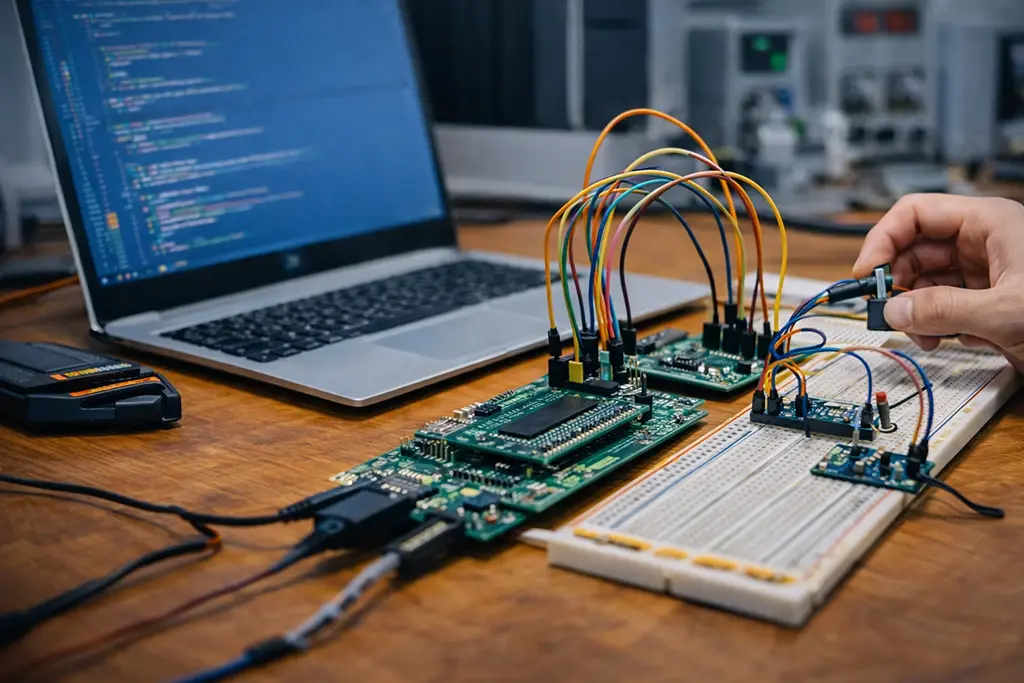
The MicroLogix PLC family represents an earlier generation of Allen-Bradley controllers designed for small-scale automation. These PLCs operate within the RSLogix 500 programming environment and are typically used in simple control systems.
MicroLogix controllers often feature fixed I/O configurations, making them suitable for compact machines where system expansion is not required. While still in operation in many facilities, these controllers are now considered legacy platforms.
Key Features of MicroLogix
MicroLogix PLCs offer several characteristics suited to basic automation:
- Cost-effective hardware for small systems
- Limited expansion capabilities
- Basic networking options
- Simple ladder logic programming
These features made MicroLogix widely adopted in machine-level automation applications.
Typical Applications
MicroLogix controllers are typically used in:
- Small standalone machines
- Basic process control systems
- Packaging and labeling equipment
- Simple material handling operations
While effective in these scenarios, the platform has limitations when compared with modern PLC systems.
CompactLogix vs MicroLogix: Side-by-Side Comparison

The CompactLogix vs MicroLogix comparison highlights the evolution of industrial automation systems. Below is a structured breakdown of the key differences.
Architecture and Scalability
CompactLogix uses a modular architecture that allows expansion through additional I/O modules and communication interfaces. This design supports system growth and integration with larger automation networks.
MicroLogix systems rely on fixed or limited I/O configurations. Once capacity is reached, expanding the system becomes difficult or requires replacing the controller entirely.
Programming Software
CompactLogix controllers are programmed using Studio 5000 Logix Designer, which supports advanced programming methods and system configuration.
MicroLogix controllers use RSLogix 500, a simpler environment focused on ladder logic programming. While effective, it lacks the capabilities of modern development platforms.
Processing Power and Performance
CompactLogix PLCs provide higher processing speeds and larger memory capacity. This allows them to handle complex logic, motion control and network communication.
MicroLogix controllers are designed for smaller applications and offer limited processing performance.
Networking Capabilities
CompactLogix controllers support EtherNet/IP and advanced communication configurations. They integrate easily with plant-wide networks and supervisory systems.
MicroLogix controllers provide basic networking options, with limited support for modern communication standards.
Motion Control Integration
CompactLogix systems support integrated motion control, making them suitable for applications involving coordinated movement.
MicroLogix controllers do not support advanced motion control functions.
System Expansion Options
CompactLogix allows flexible system expansion through modular hardware and distributed I/O configurations.
MicroLogix systems have limited expansion capabilities, restricting their use in growing automation environments.
Lifecycle Status and Future Support
A key part of the difference between MicroLogix and CompactLogix is lifecycle status.
Many MicroLogix models have reached end-of-life status, making long-term support and parts availability more challenging.
CompactLogix remains part of the current Rockwell Automation portfolio and continues to receive development and support.
Which PLC Should You Choose?
Selecting the right AB PLC model depends on application requirements and long-term automation goals.
Choose MicroLogix If…
MicroLogix may still be suitable in certain situations:
- Small standalone systems with stable requirements
- Budget-sensitive projects
- Existing legacy infrastructure with no planned expansion
In these cases, maintaining current systems may be practical.
Choose CompactLogix If…
CompactLogix is the preferred choice for modern automation:
- Systems requiring scalability and expansion
- Applications needing advanced networking
- Equipment requiring motion control integration
- Long-term automation strategies
These factors make CompactLogix a strong choice for future-ready systems.
Migration: Moving from MicroLogix to CompactLogix
Why Many Manufacturers Are Upgrading
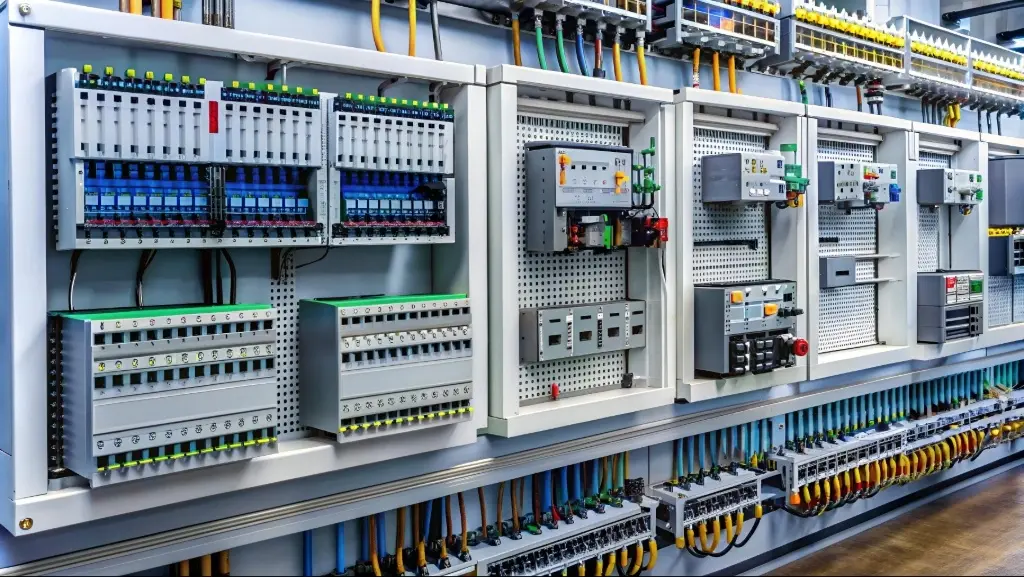
Manufacturers are transitioning from MicroLogix to CompactLogix due to the need for improved performance, connectivity and long-term support. Modern automation systems require capabilities that legacy controllers cannot provide.
Migration Challenges
Upgrading involves several challenges:
- Converting existing ladder logic programs
- Updating network configurations
- Rewiring and mapping I/O
Proper planning is essential to minimize downtime.
Compatibility Considerations
During migration, compatibility between existing components and new controllers must be evaluated. Systems may require new modules or updated communication interfaces. For larger systems, integration with hardware such as the ControlLogix input module may also be required.
How BSP Automation Supports PLC Migration
BSP Automation supports migration projects by providing access to genuine Allen-Bradley products and technical guidance for system upgrades.
As a trusted distributor of Allen-Bradley parts, BSP helps engineers source CompactLogix controllers, replacement components and compatible hardware for smooth transitions.
Cost Considerations: Initial Investment vs Long-Term Value
Hardware Cost
MicroLogix controllers typically have lower initial costs, making them suitable for small-scale or budget-limited projects. Their simpler design reduces upfront investment, but also limits scalability and long-term support.
CompactLogix systems require higher upfront investment due to their modular design and advanced capabilities. However, they can support more complex applications without early replacement, which improves long-term value.
Software Licensing
CompactLogix uses Studio 5000, which provides modern programming tools, diagnostics and system integration features. Licensing costs are higher but align with the platform’s broader capabilities.
MicroLogix relies on RSLogix 500, which is simpler and less expensive, but has limited functionality and reduced compatibility with newer systems.
Maintenance
Maintenance costs for MicroLogix systems can increase as hardware ages and parts become harder to source. This can lead to longer repair times and higher operational uncertainty.
CompactLogix systems benefit from ongoing support, better availability of components and built-in diagnostics that simplify maintenance and reduce troubleshooting time.
Downtime Risks
MicroLogix systems may carry higher risk of unexpected failure, especially in older installations. Limited part availability can extend downtime if issues occur.
CompactLogix platforms are designed for reliability and faster issue resolution, helping reduce downtime and maintain stable operations.
Future-Proofing
MicroLogix systems have limited ability to support modern automation requirements, particularly in networking and integration.
CompactLogix platforms support scalable architectures and integration with modern systems, including motion and drive solutions described in the guide to Allen-Bradley drives, making them more suitable for long-term automation strategies.
Final Verdict: CompactLogix vs MicroLogix
The CompactLogix vs MicroLogix comparison highlights two different stages of automation technology.
MicroLogix controllers are suitable for simple, legacy systems where requirements are stable and expansion is not needed. However, their limitations and lifecycle status make them less suitable for new projects.
CompactLogix controllers provide modern capabilities, scalability and integration required for advanced industrial automation systems. They are the preferred choice for manufacturers planning long-term growth and system upgrades.
For assistance in selecting the right PLC platform, contact BSP Automation for expert guidance and sourcing support. You can also request a quote for Allen Bradley CompactLogix controllers tailored to your application.
For deeper understanding of PLC platforms, explore resources such as Allen-Bradley PLC types and the Allen-Bradley product ecosystem.
FAQ
CompactLogix uses a modular, scalable architecture designed for modern automation systems, while MicroLogix is a legacy platform with fixed I/O and limited expansion capabilities. This difference directly affects system flexibility and long-term usability.
Many MicroLogix models have reached or are approaching end-of-life status, making sourcing and support more difficult over time. This is a key reason why many facilities are planning upgrades.
CompactLogix can replace MicroLogix in most cases, but migration typically requires program conversion, hardware changes and system testing. Proper planning ensures a smooth transition.
CompactLogix is better suited for motion control because it supports coordinated multi-axis movement and integration with servo systems. MicroLogix does not offer these capabilities.
CompactLogix is programmed using Studio 5000 Logix Designer, while MicroLogix uses RSLogix 500. These platforms differ significantly in functionality and capabilities.
CompactLogix is the better choice for future-proofing because it supports modern networking, scalability and ongoing vendor support. This ensures compatibility with evolving industrial requirements.
Manufacturers should upgrade when systems require expansion, improved networking, or when existing controllers approach end-of-life. Upgrading also helps reduce downtime risks and improve operational efficiency.


Have a question?
If you didn't find the automation part you were looking for, our support team is here to help. Just contact us, and we'll do our best to source the exact part you need. We're committed to meeting your needs and ensuring your satisfaction.
Contact Us Now